A Hotel Built for a King
The train from Madrid took about two hours and forty-five minutes, and we remain train people: less hassle than an airport, almost always on time, and beautiful countryside on the way. Melissa had last seen Seville on Semester at Sea in 1997, which made this stop a homecoming of sorts.
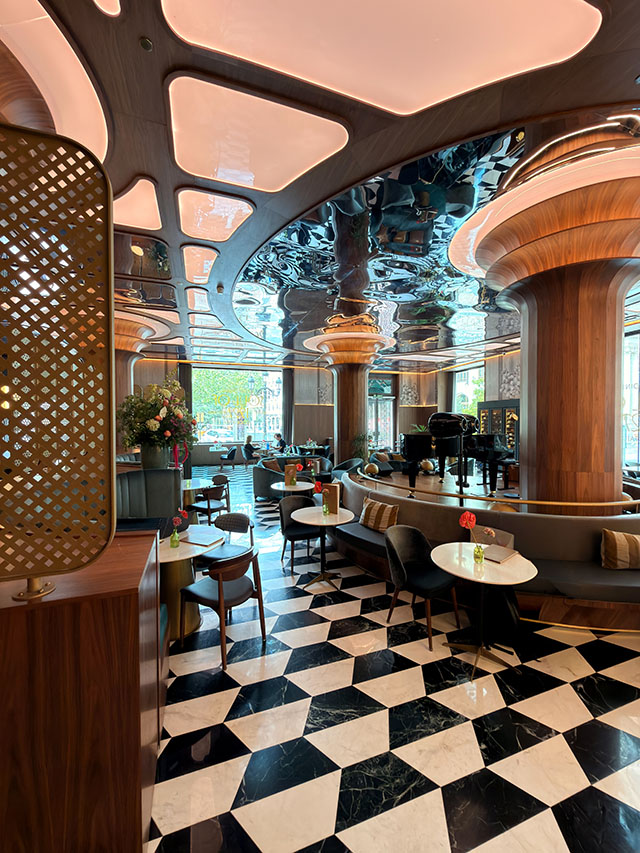
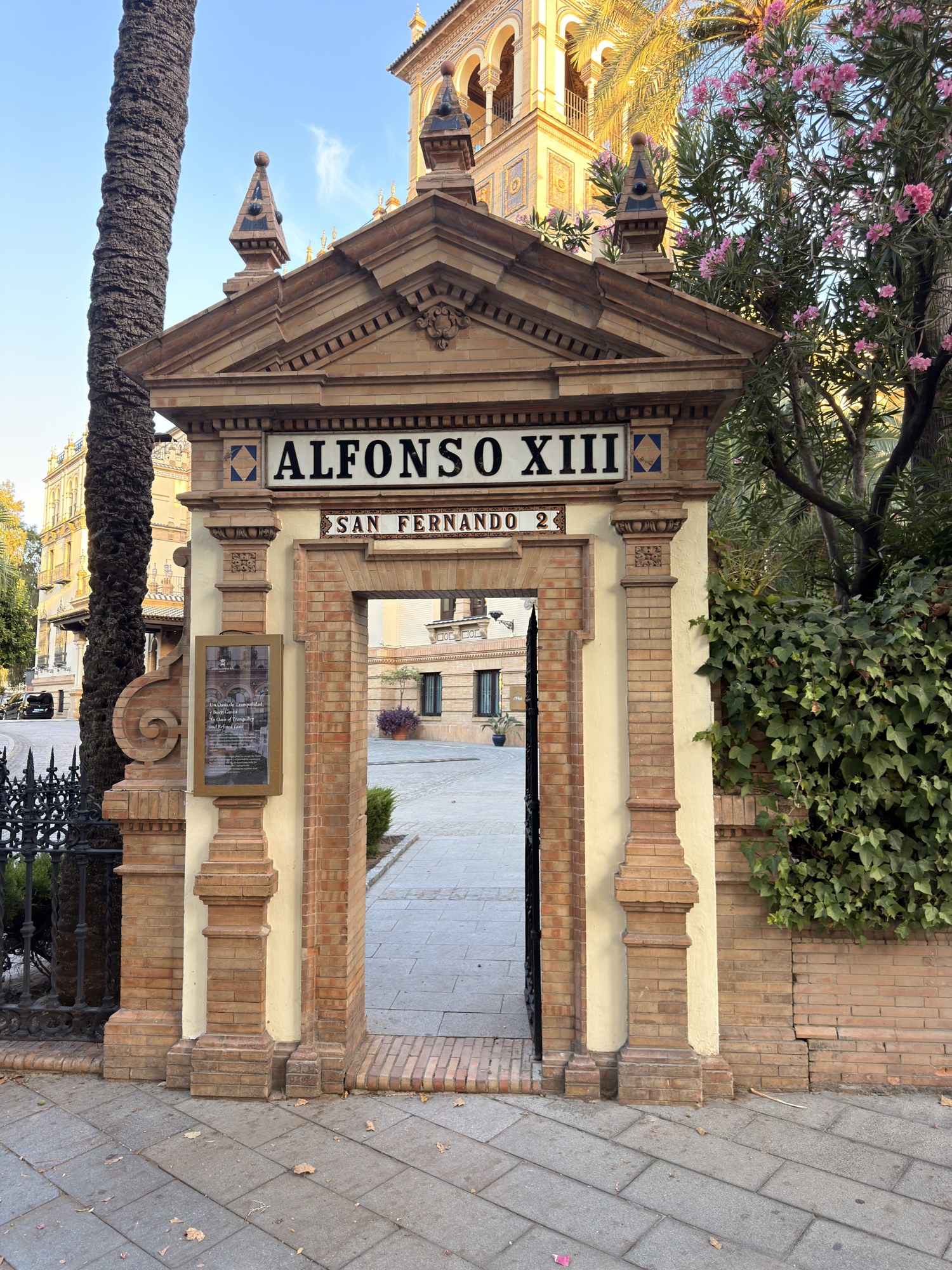
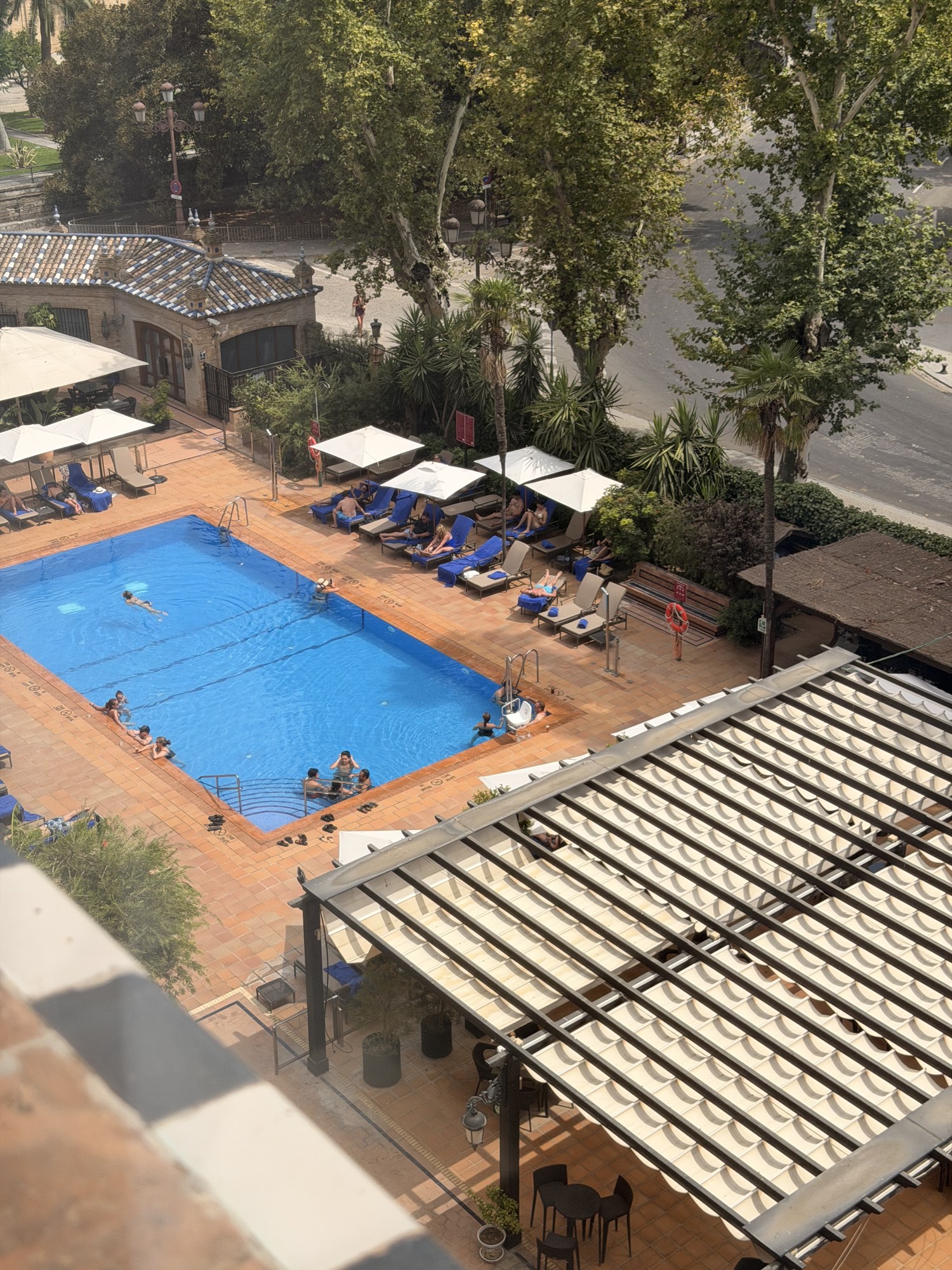
We are Marriott people, so we stayed at the Hotel Alfonso XIII, and the hotel is a story in itself: commissioned by King Alfonso XIII for the Ibero-American Exposition of 1929, built from 1916 to house royalty, diplomats, and distinguished guests. It was already 100 degrees when we arrived, so we spent the first afternoon at the pool and did not feel one bit guilty. Some days are for navigating; this one was not.
The Flamenco Show We Walked Out Of
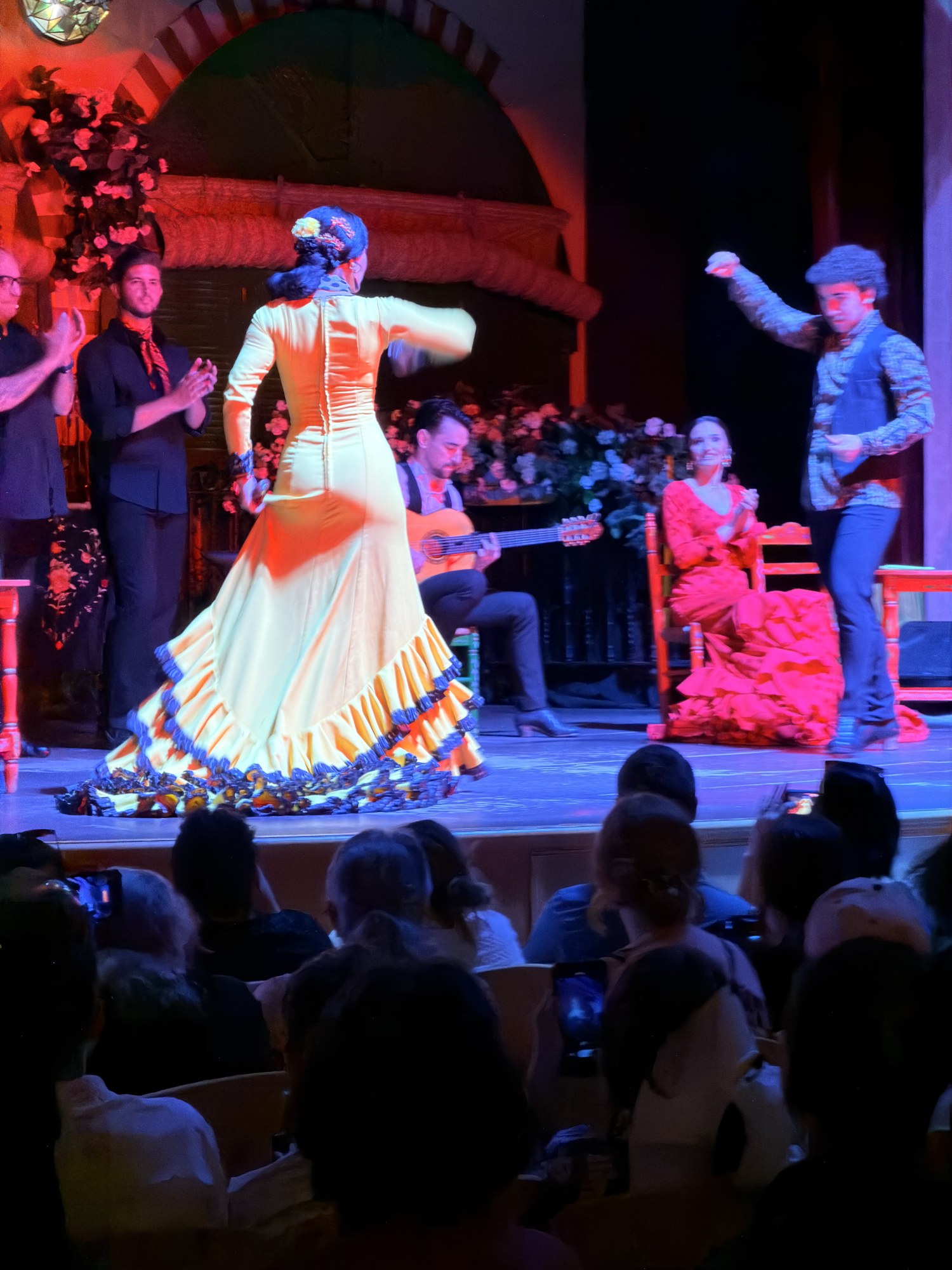
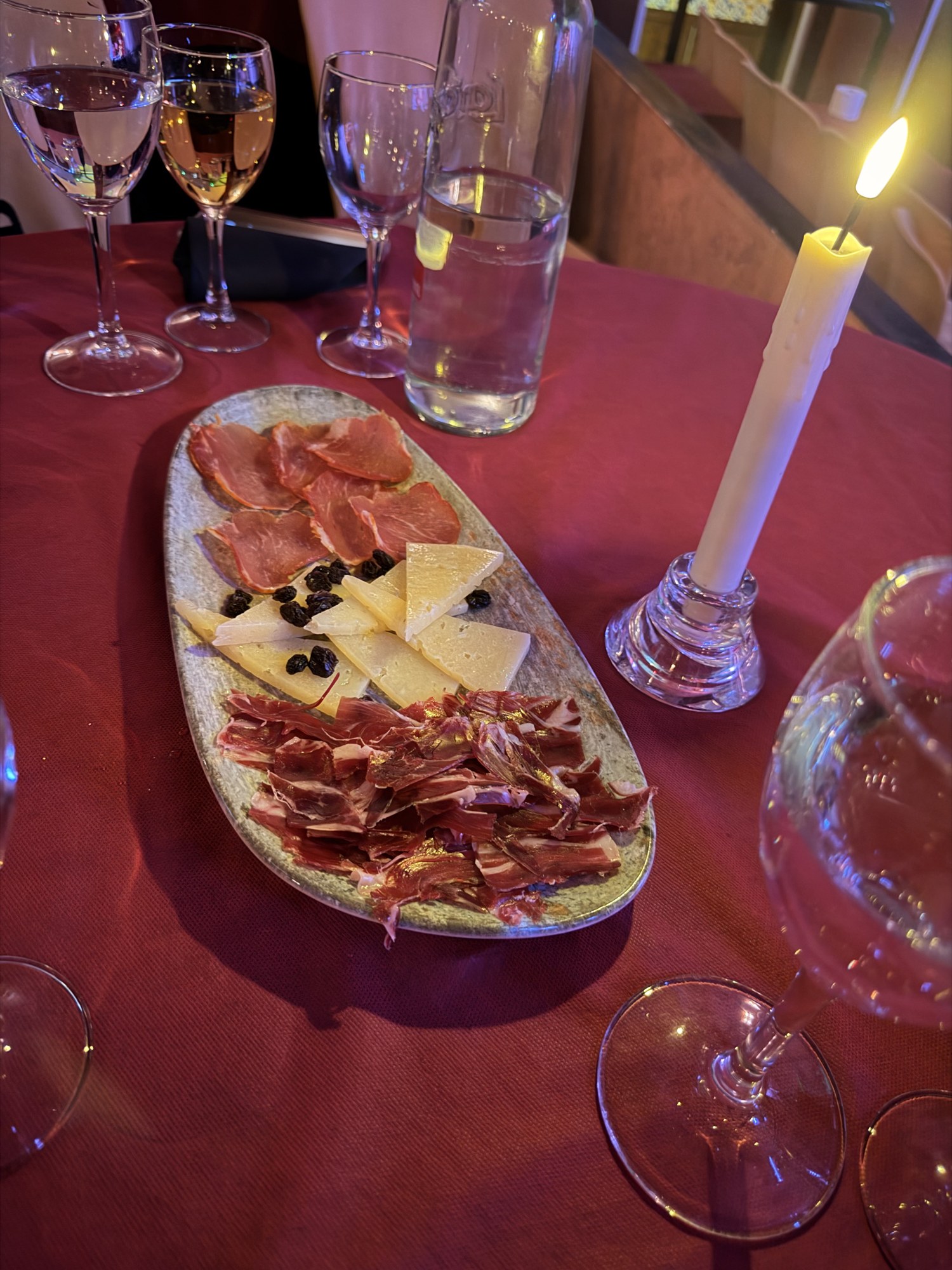
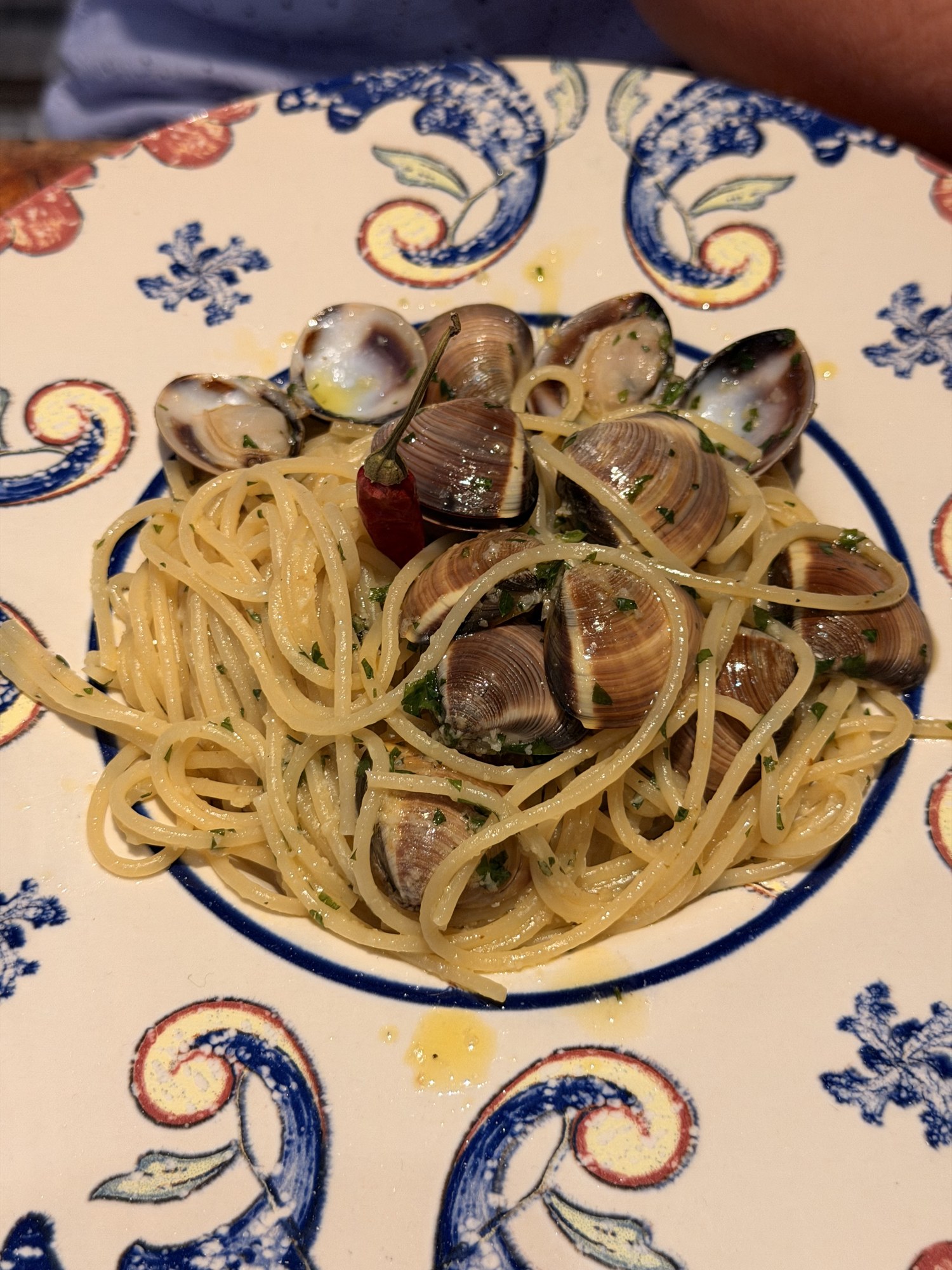
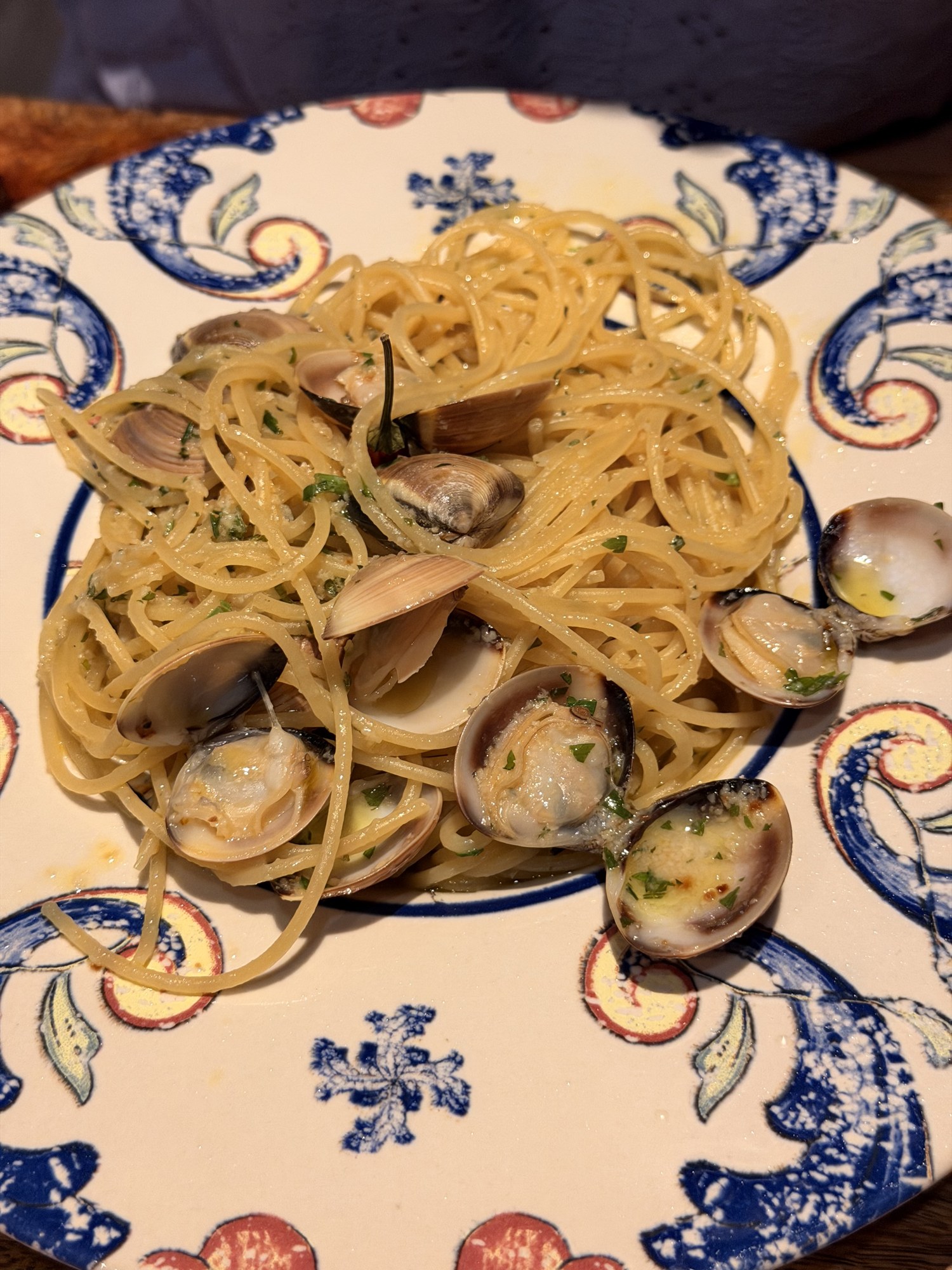
That night we booked a flamenco show with dinner through Viator, an app that has never let us down. Until this night. It was, start to finish, the worst travel experience we have had: we got one commemorative photo, got up, and left after ten minutes. Dinner instead was Da Pino, Italian, and perfectly good. Not every booking is a winner, and Seville made up for it fast.
Cathedral, Giralda, and a Light Lunch
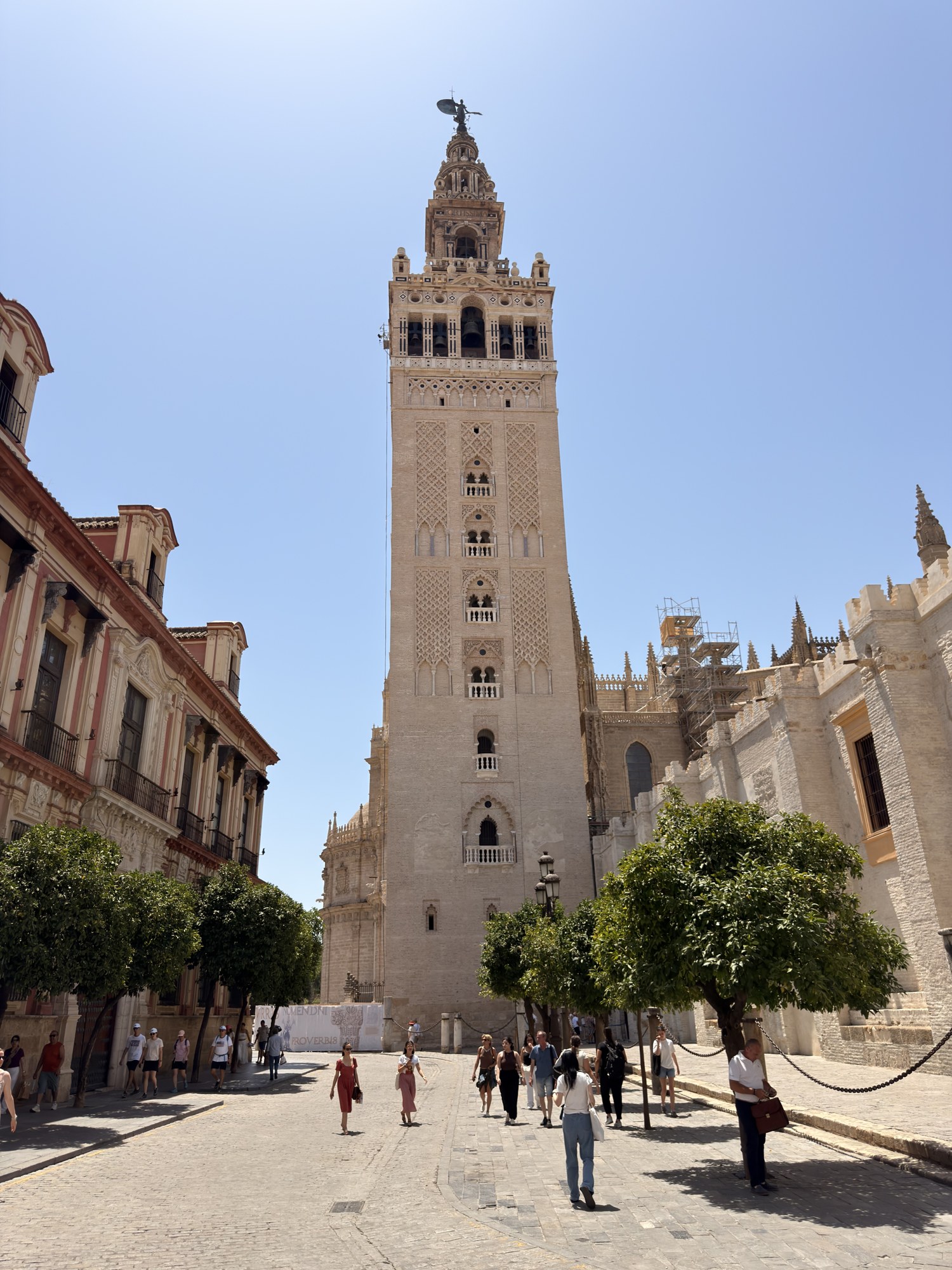
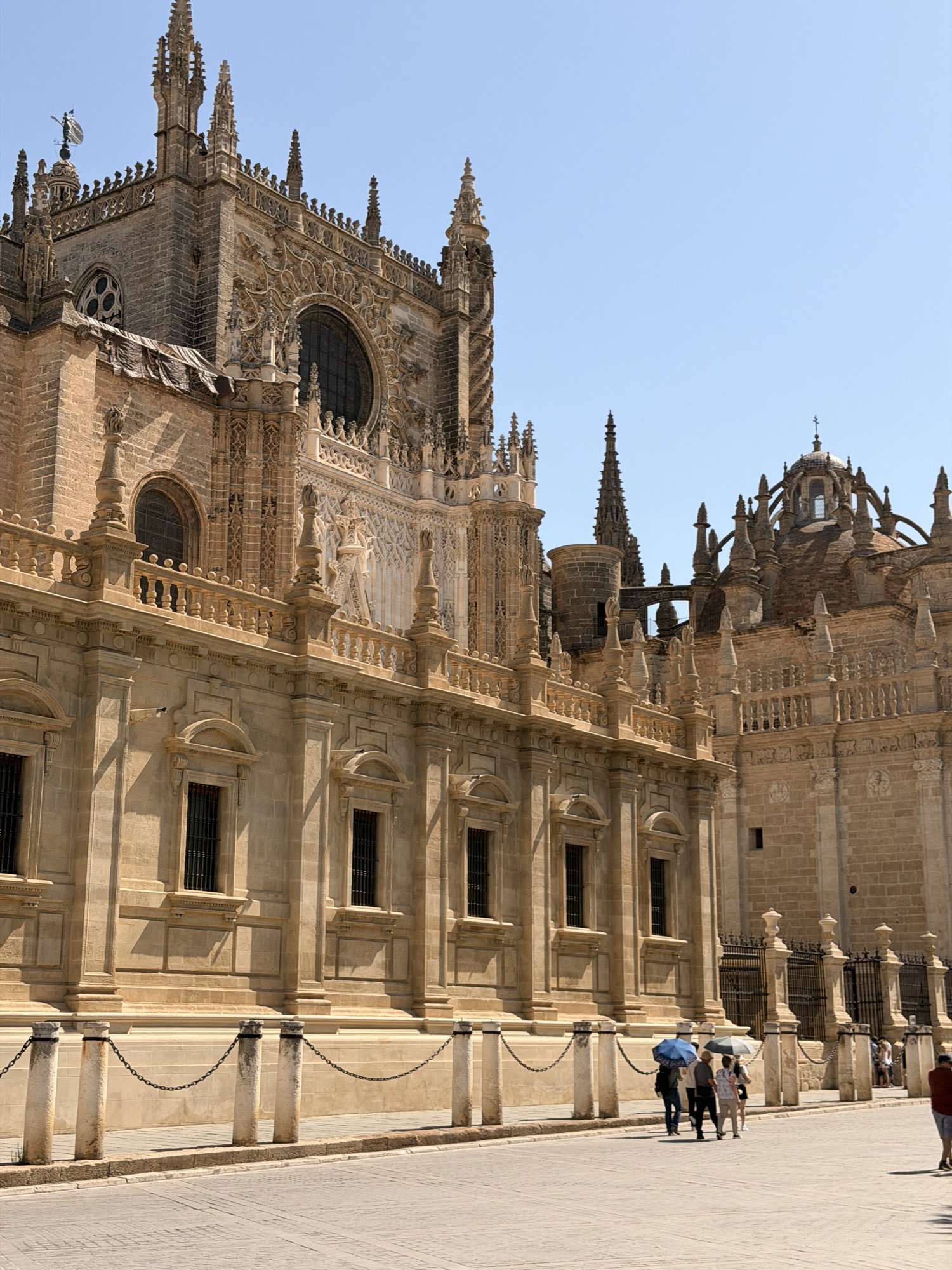
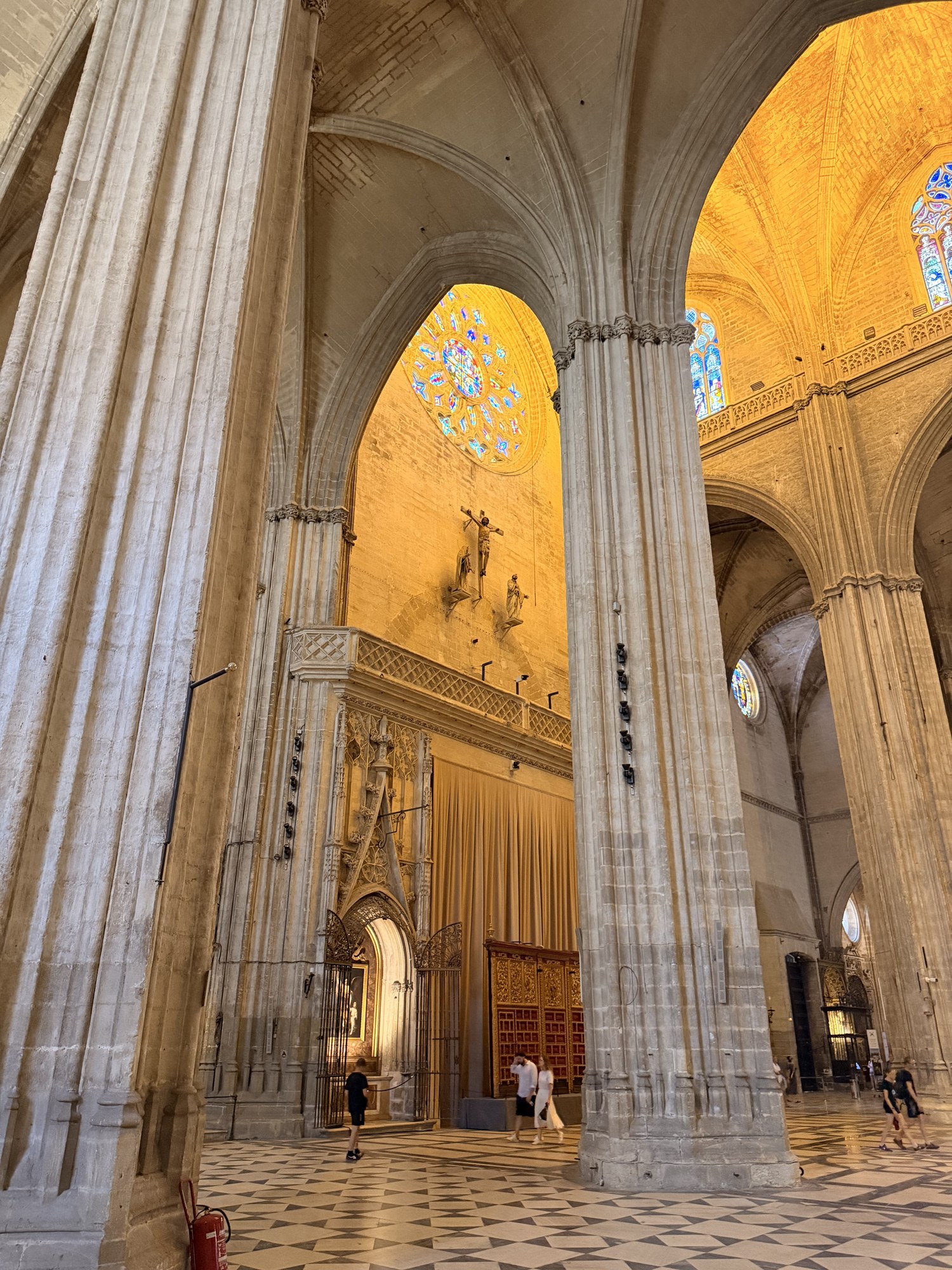
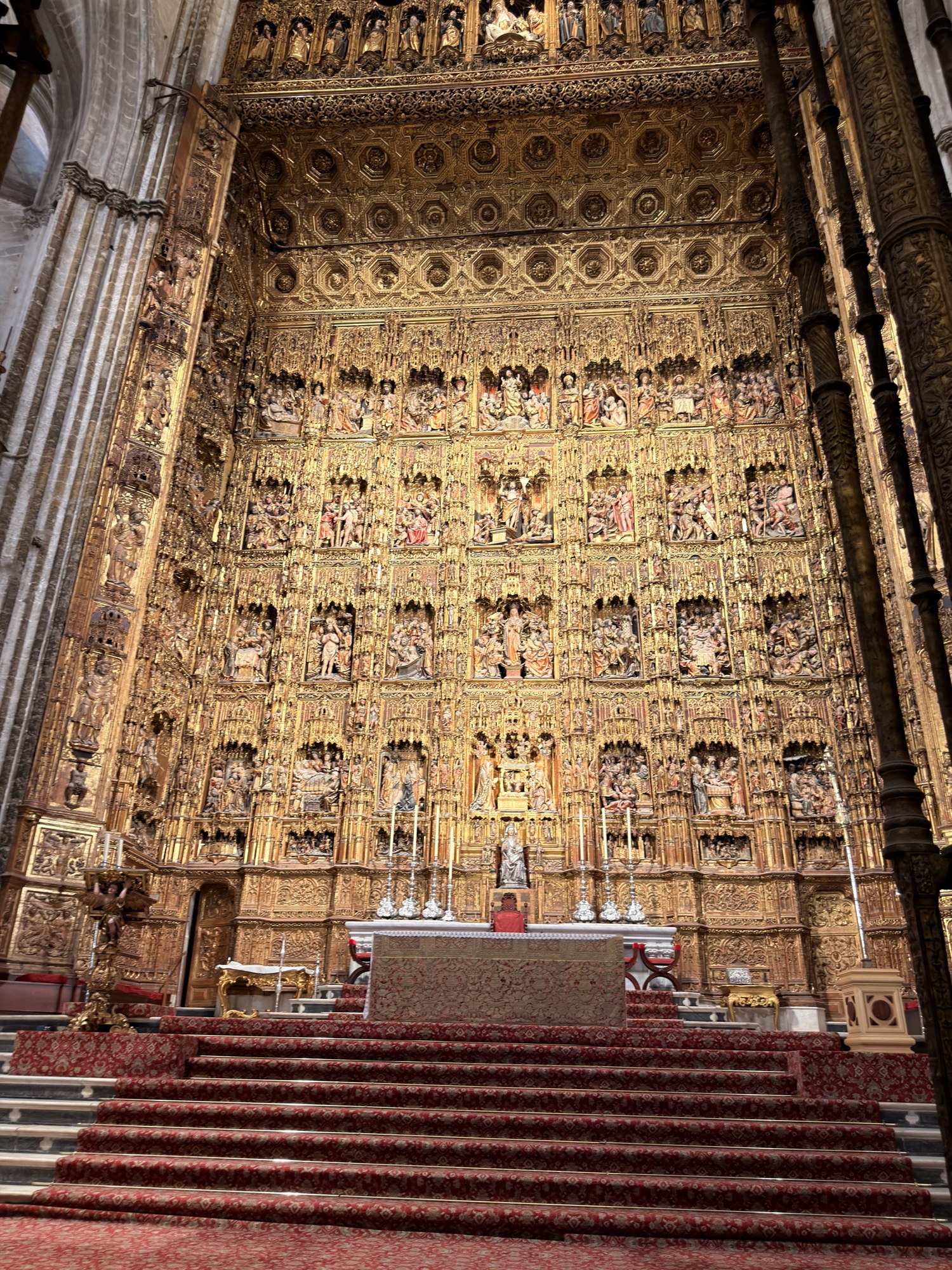
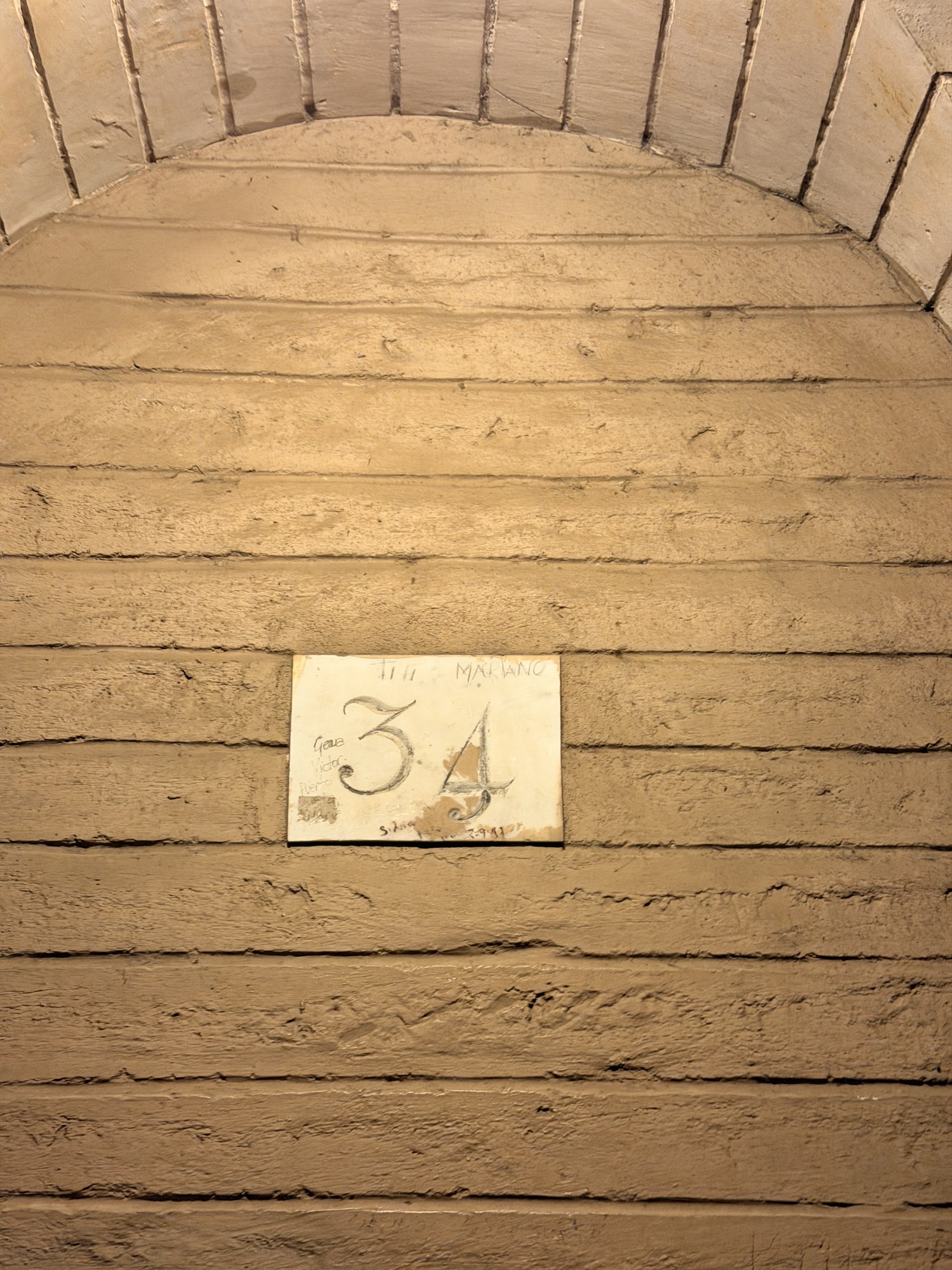
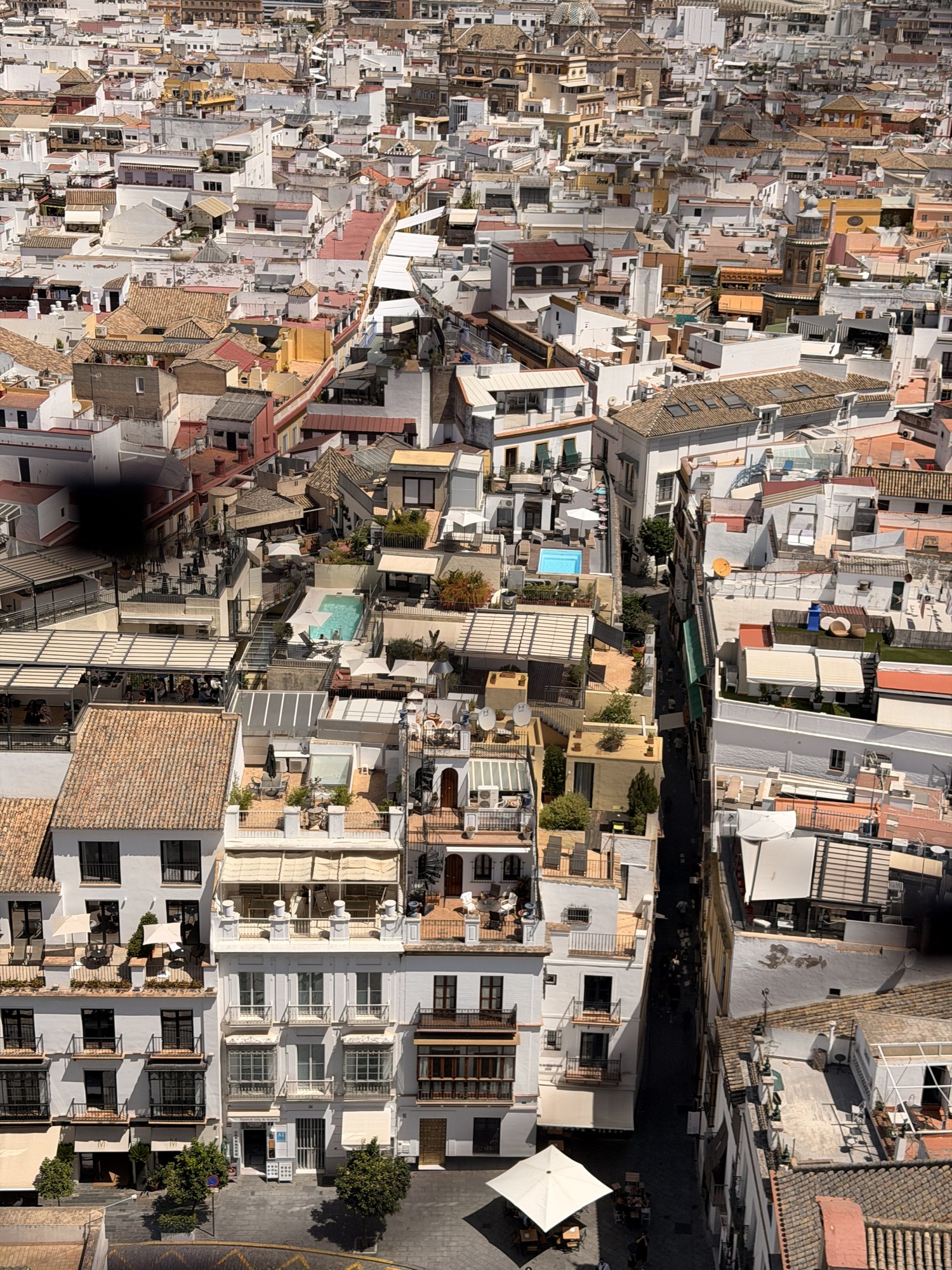
Day two was touring day. The Seville Cathedral is about a half mile from the hotel: a former mosque, one of the largest churches in the world, and the largest Gothic cathedral anywhere. We climbed the Giralda tower — 34 ramps up, worth about 3,000 steps on its own — and the view over the city earned every one.
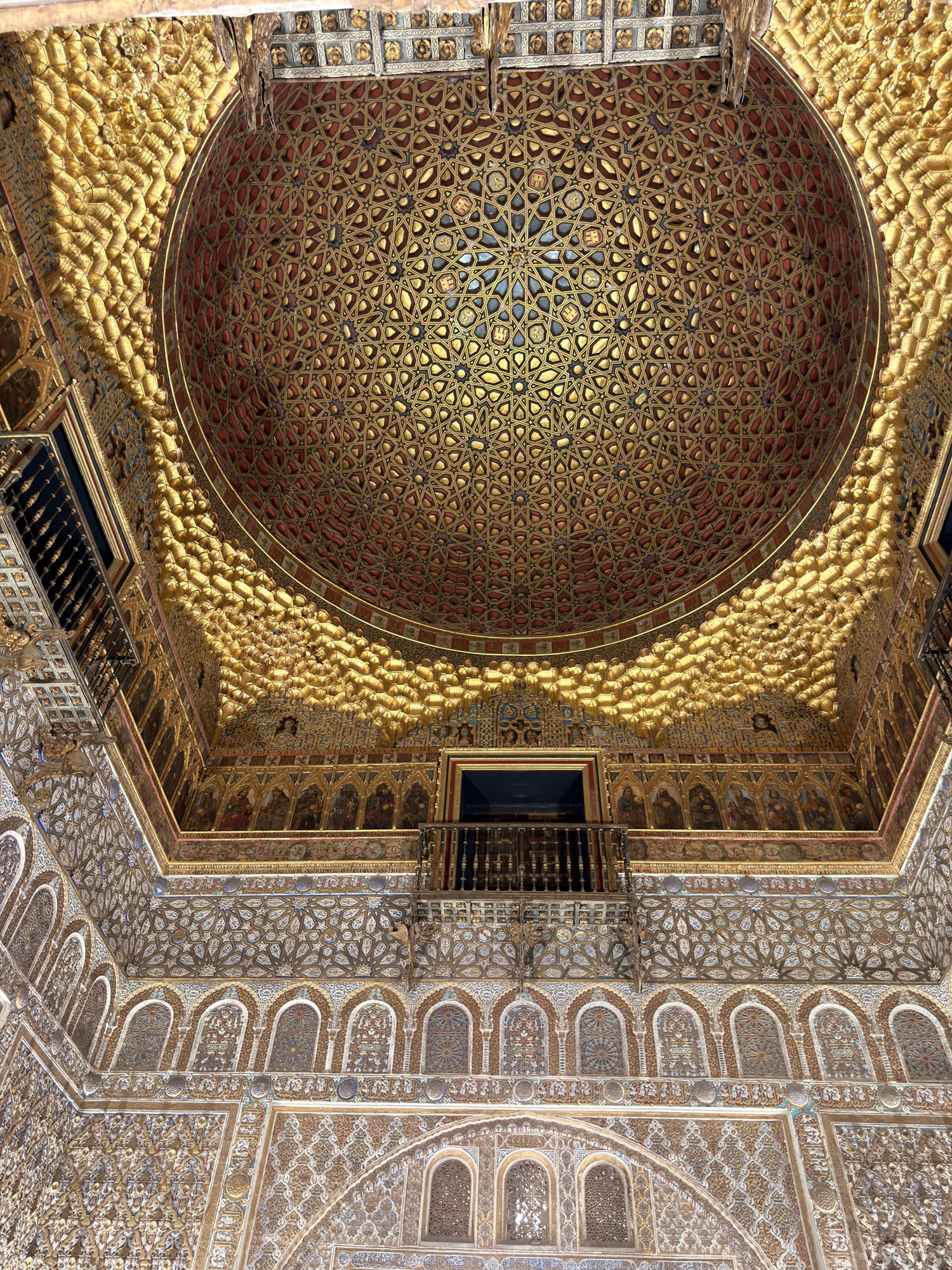
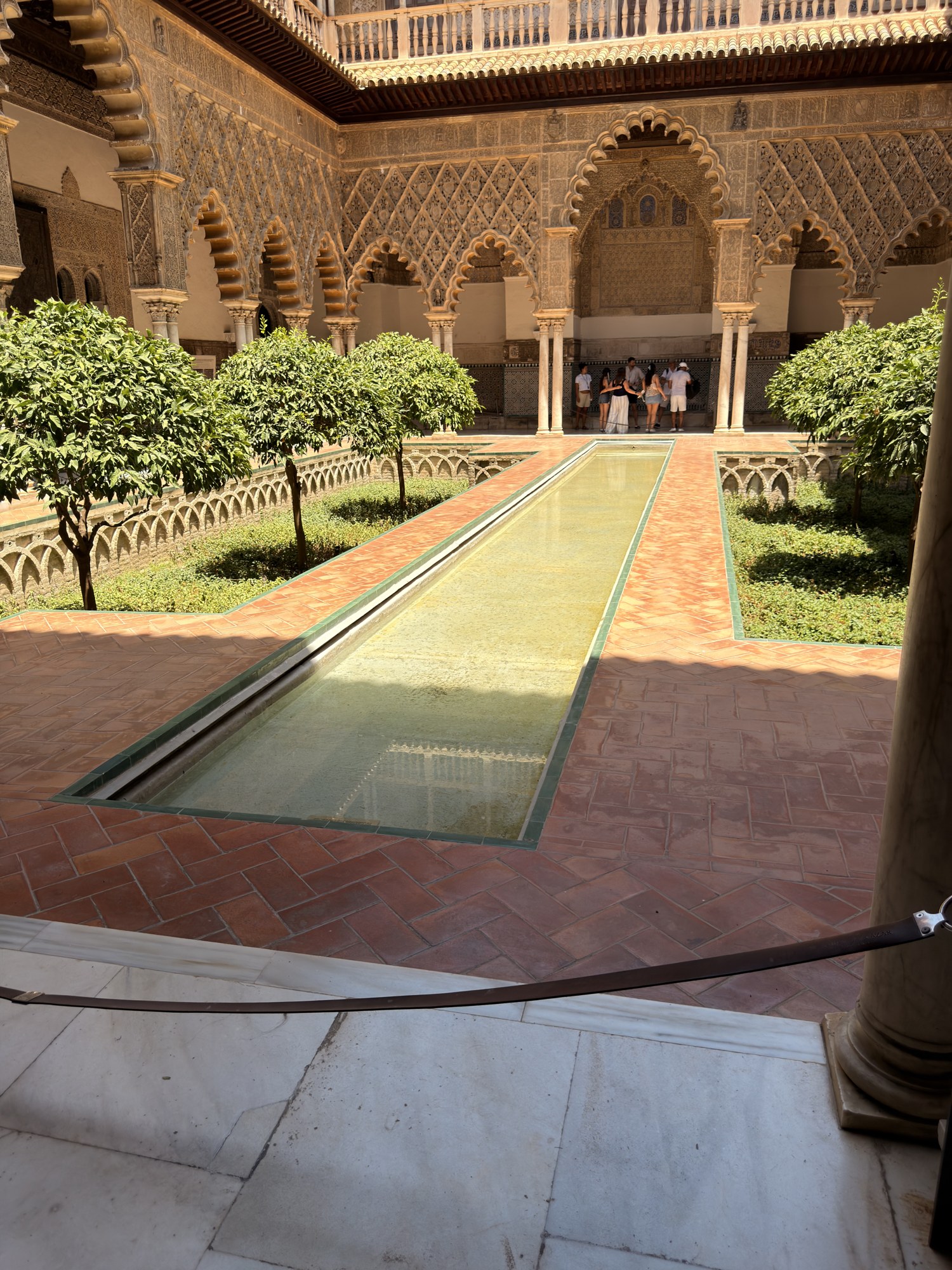
Lunch was light at Gusto, near the cathedral: casual and pretty good. Then the Alcázar, Seville’s historic royal palace. Honestly? A bust for us. We headed back to the pool instead. It was 107 degrees; the pool was the right call.
The Oldest Bar in Seville, and a Pivot
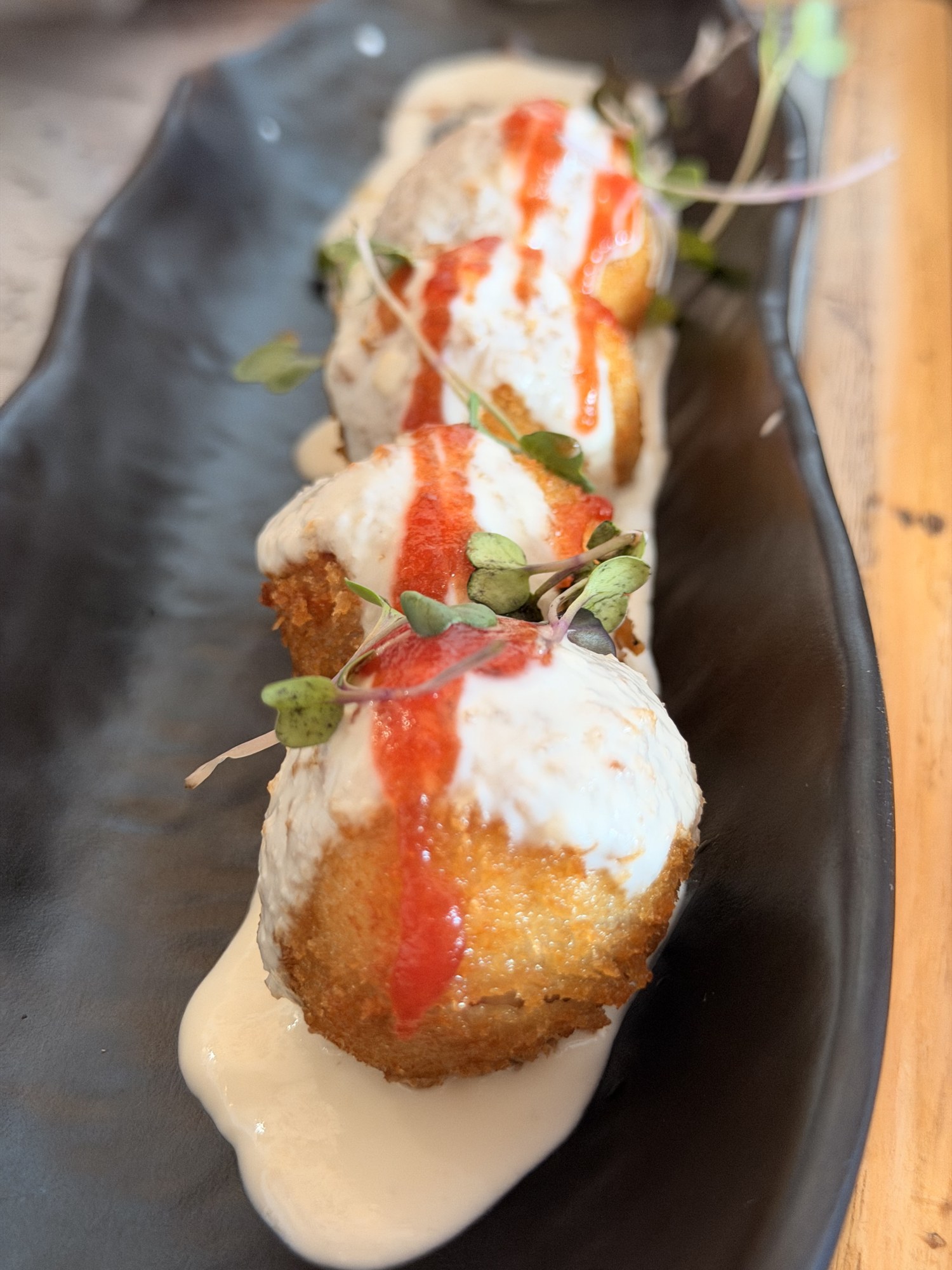
That night we started at El Rinconcillo, an institution open since 1670 and considered the oldest continuously operating bar in Seville. It felt touristy to us, so after a drink and an appetizer we pivoted to Al Lado, an Italian place nearby. Excellent. Knowing when to move on is a travel skill.
(In between, we day-tripped to Cordoba — that gets its own post.)
A Food Tour, Just the Three of Us
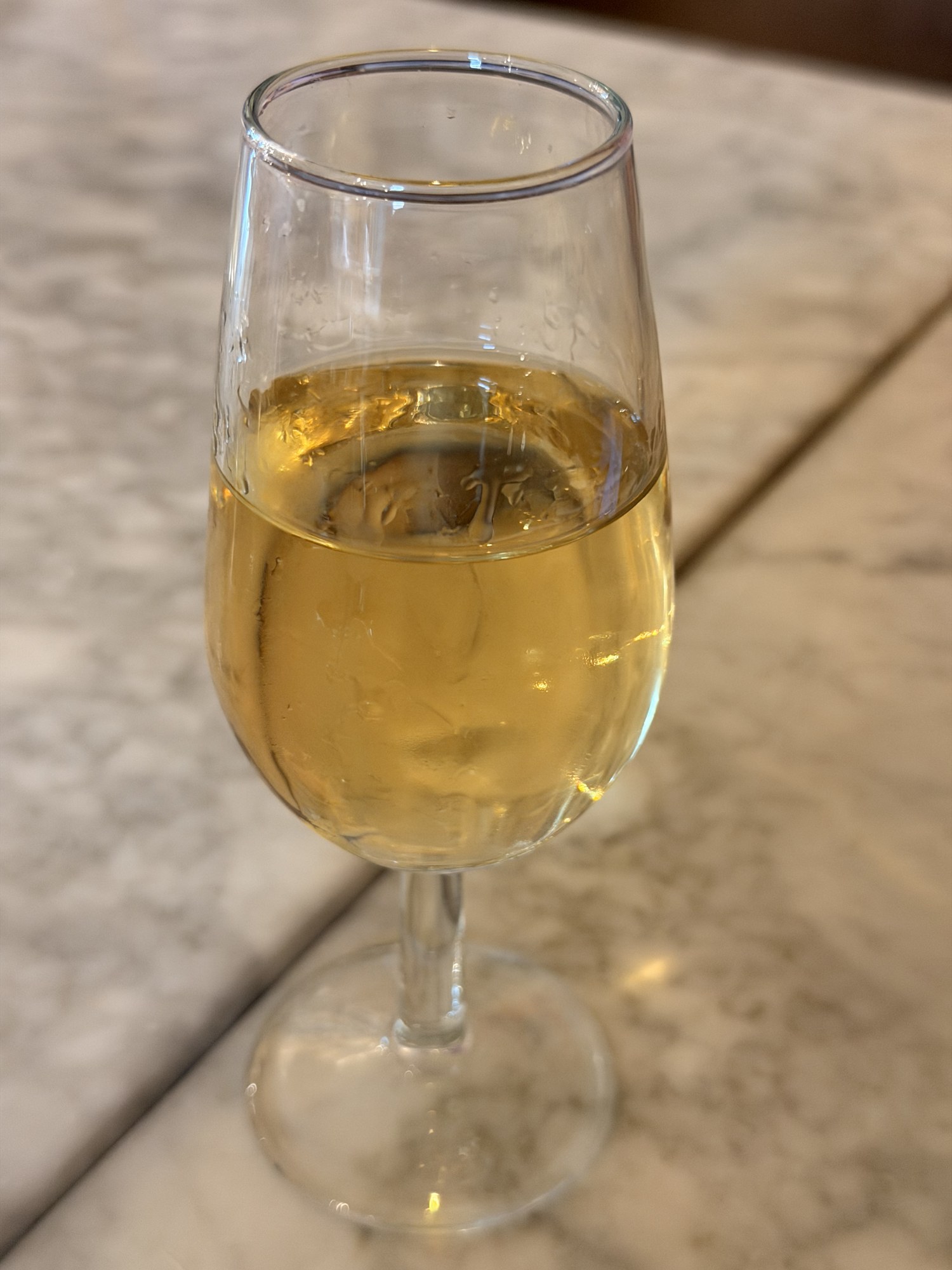
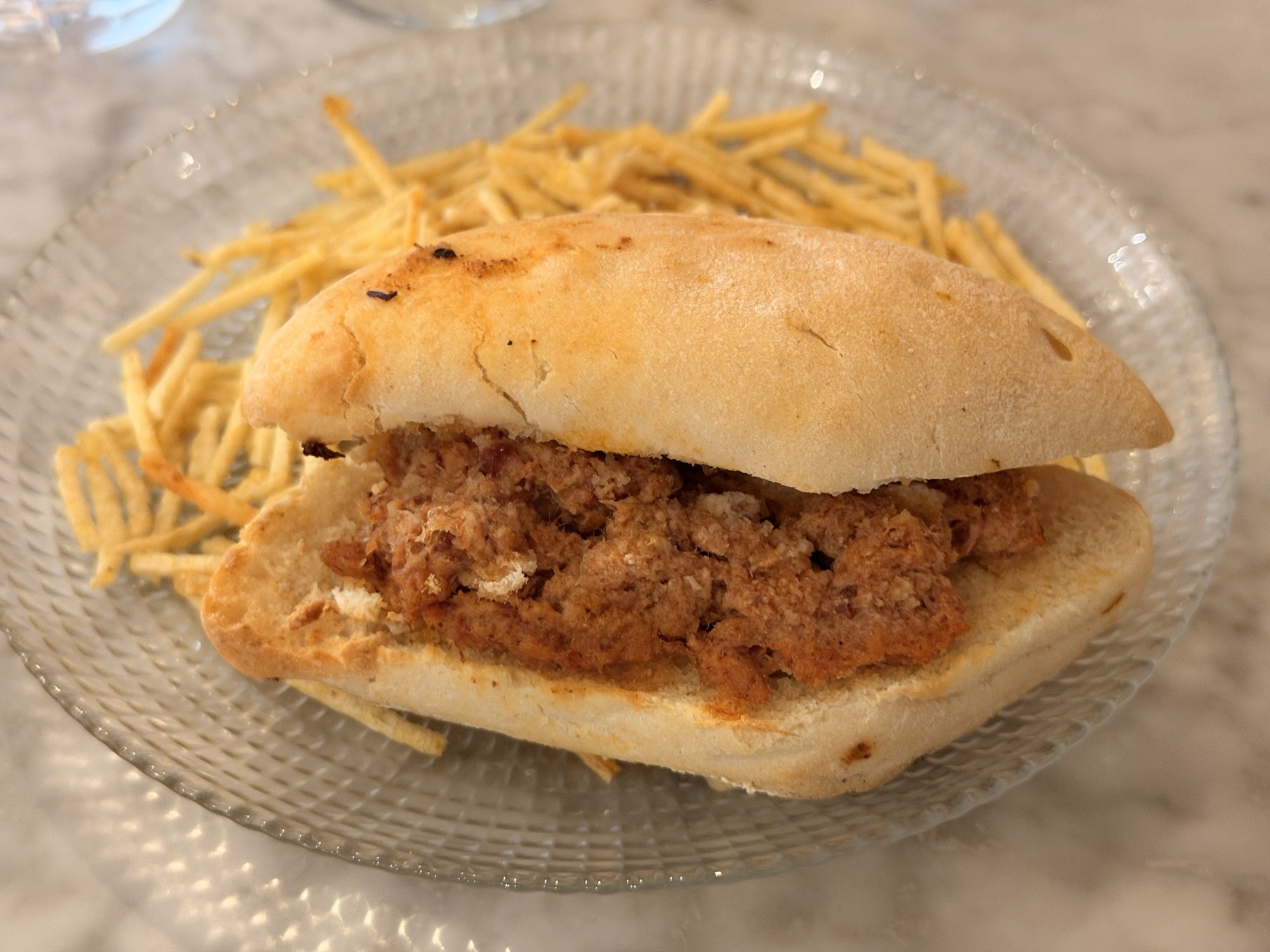
Our last day in Seville was a food tour, booked through Viator with Do Eat Better Experience, and we lucked out: the only three on the tour, with Katrina guiding. First stop, Atarazana in Cabildo Square, for a sherry aperitivo — Seville is sherry country — and a montadito de pringá, pulled pork on a roll, about as local as a tapa gets.
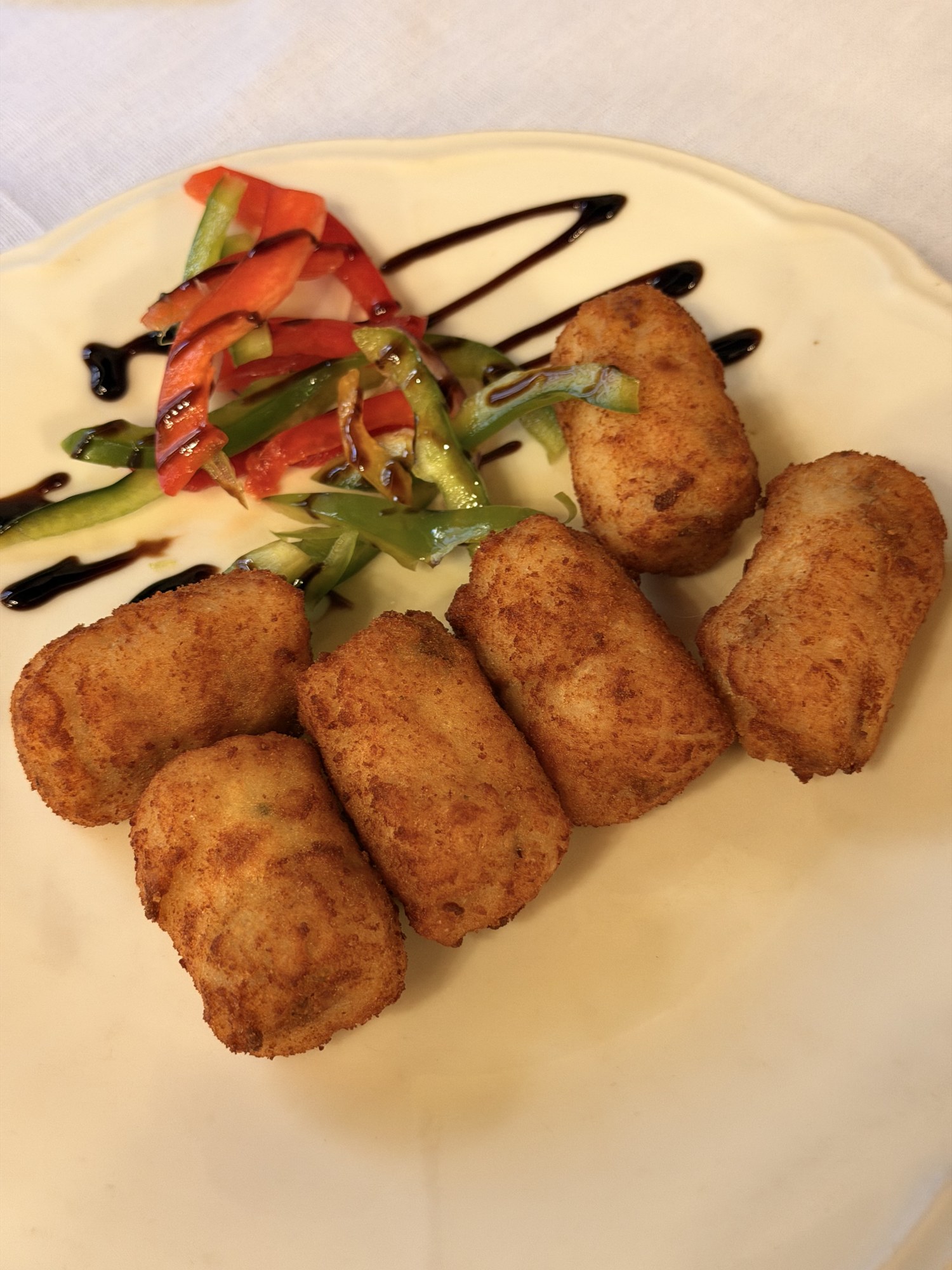
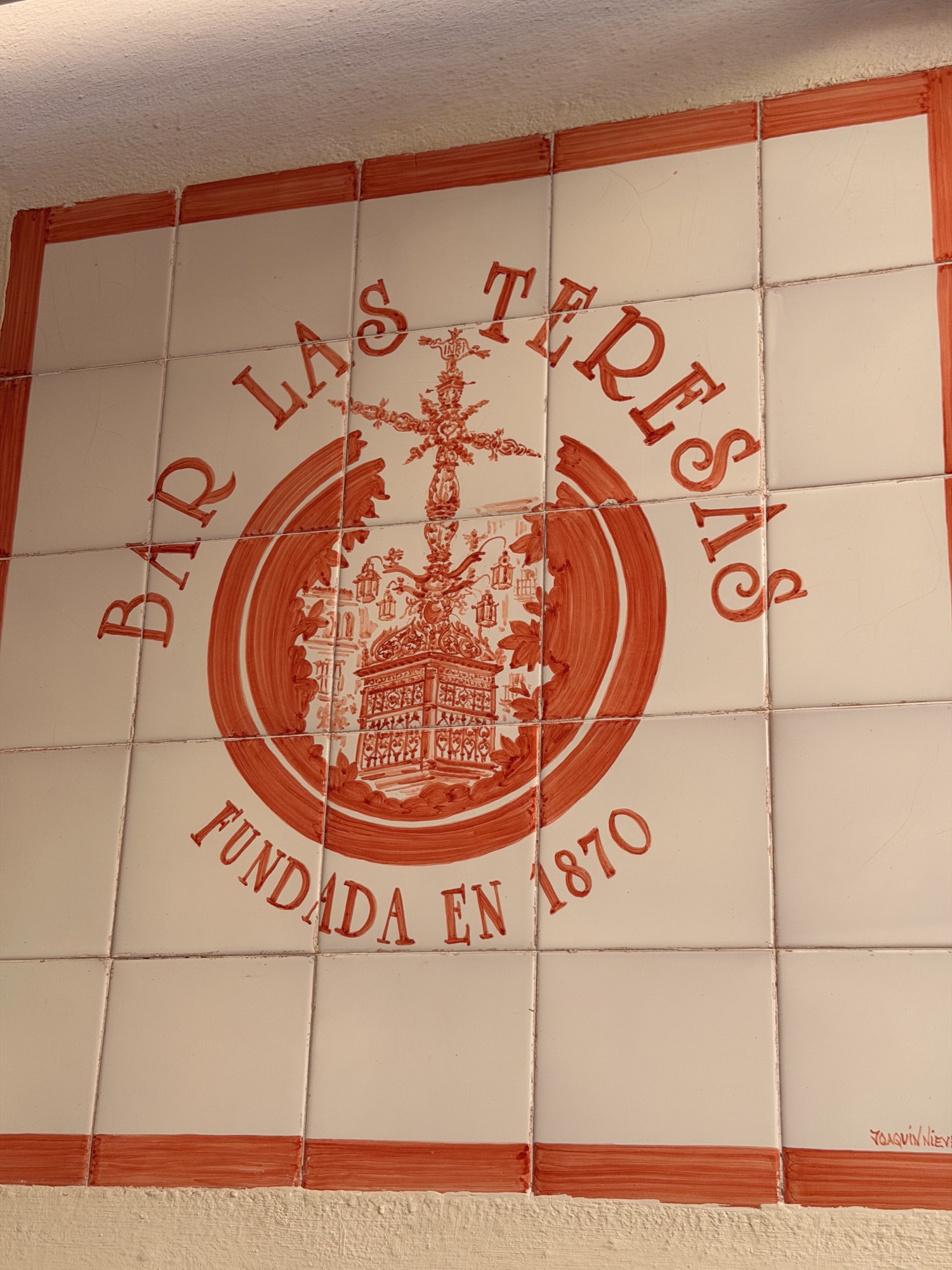
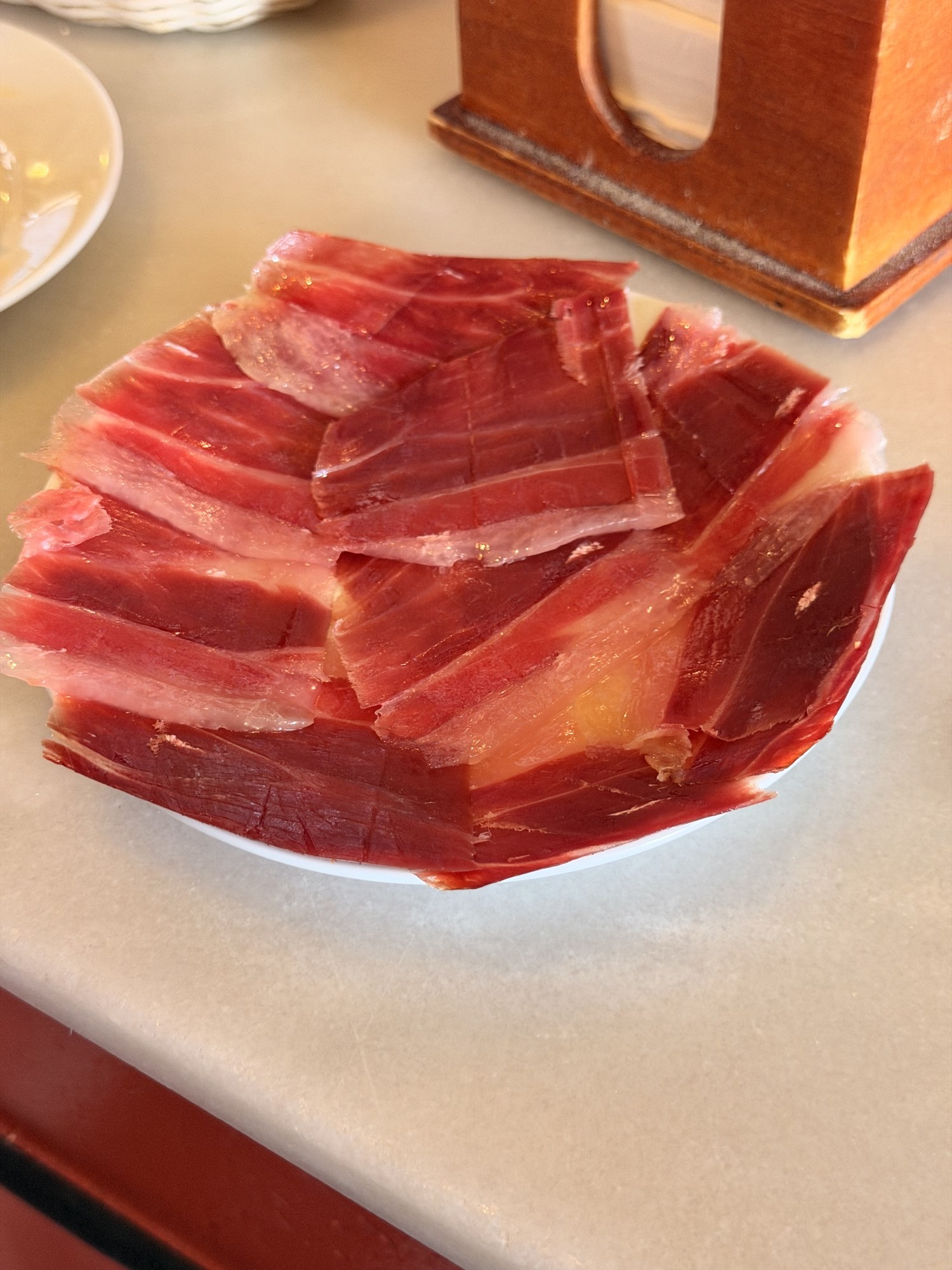
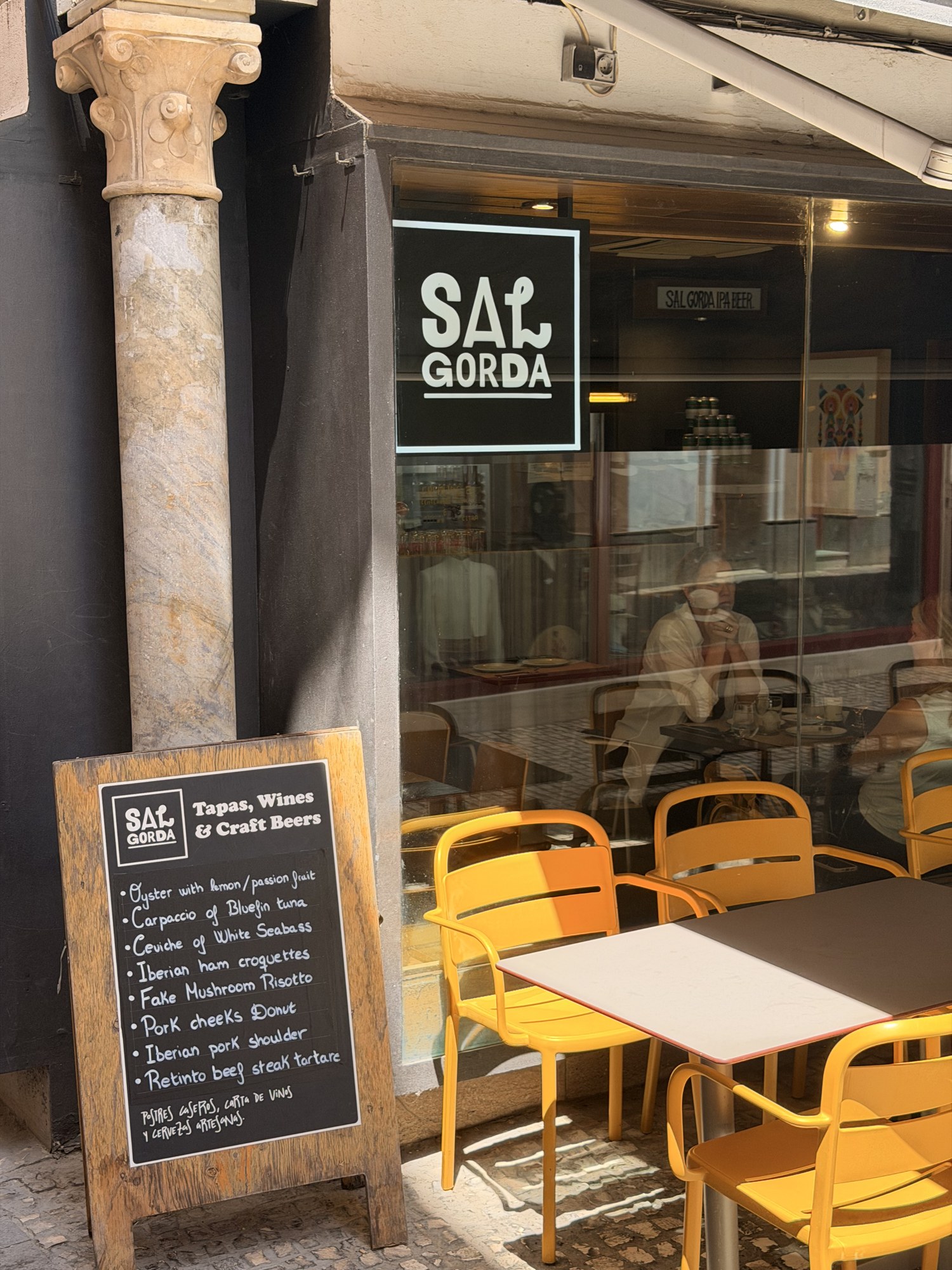
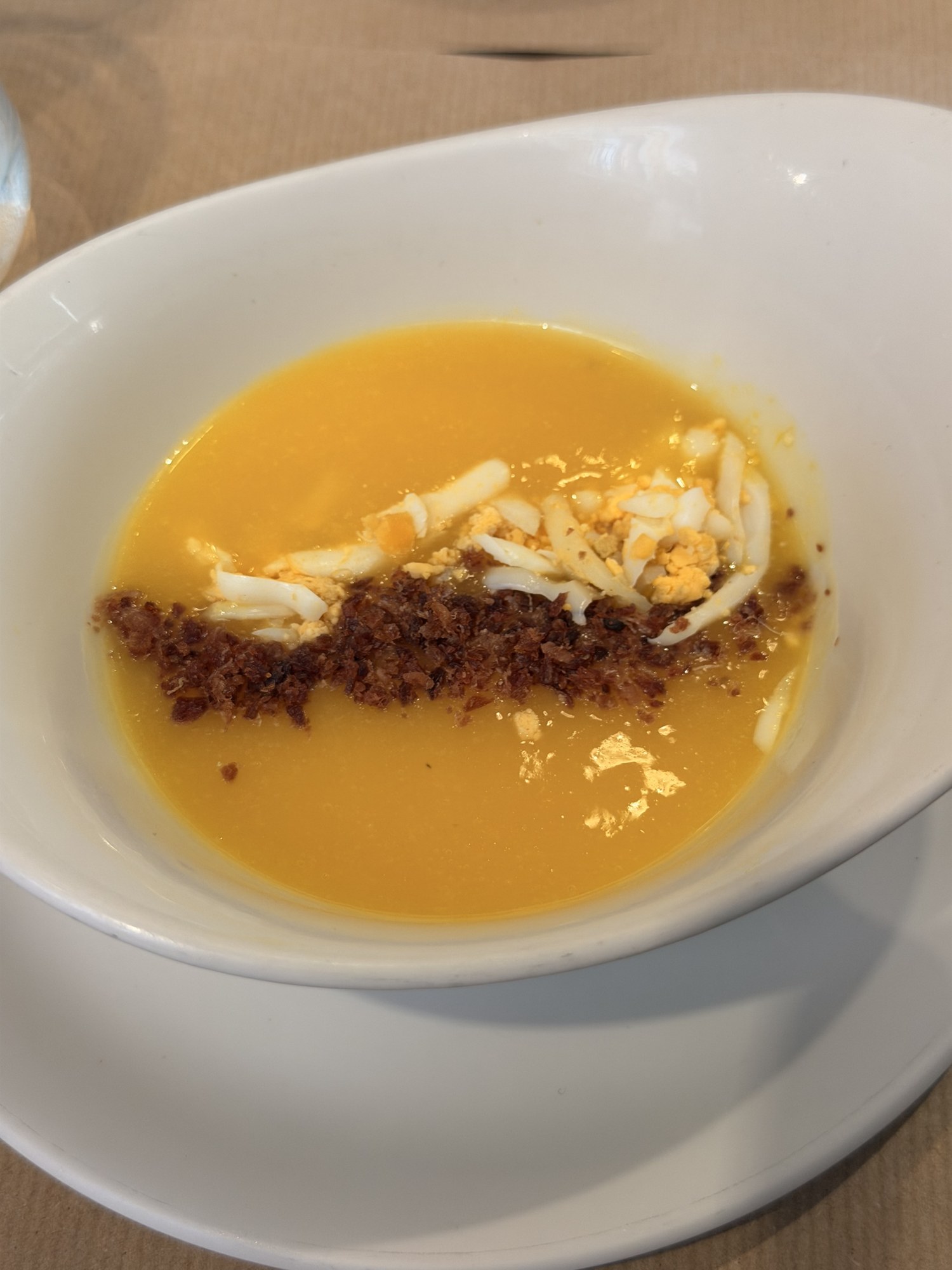
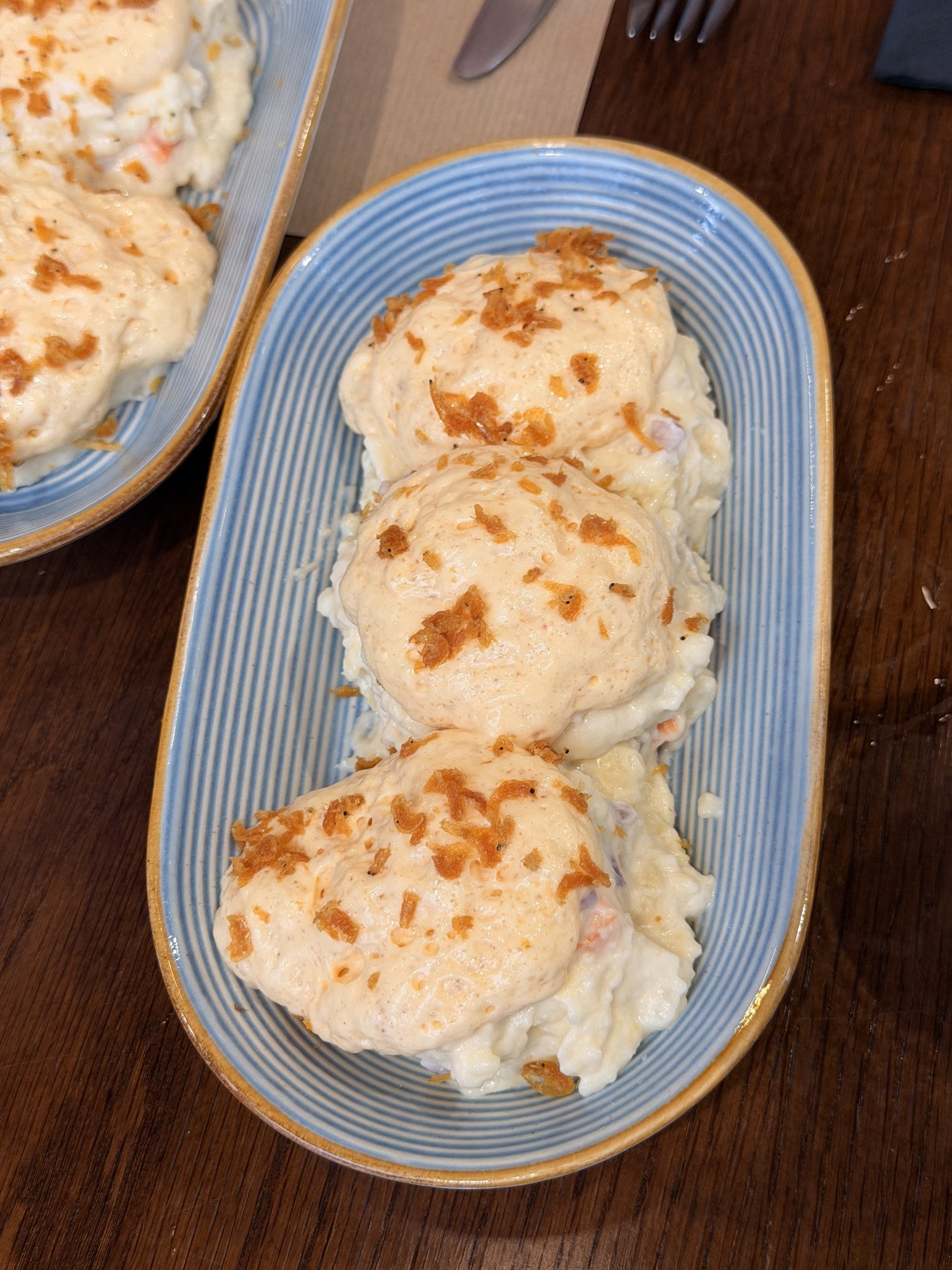
Through the Jewish quarter’s narrow cobblestone streets to Las Teresas, the oldest bar in the quarter, for Ibérico ham: the black-label ham is aged five to seven years, and it shows. Then Sal Gorda for lunch: gazpacho made with yellow tomatoes, ensaladilla with fried shrimp, and two kinds of croquettes, ham and codfish, because by now croquettes were a research project. Gelato at Bolas for dessert, though we were honestly too full to do it justice.
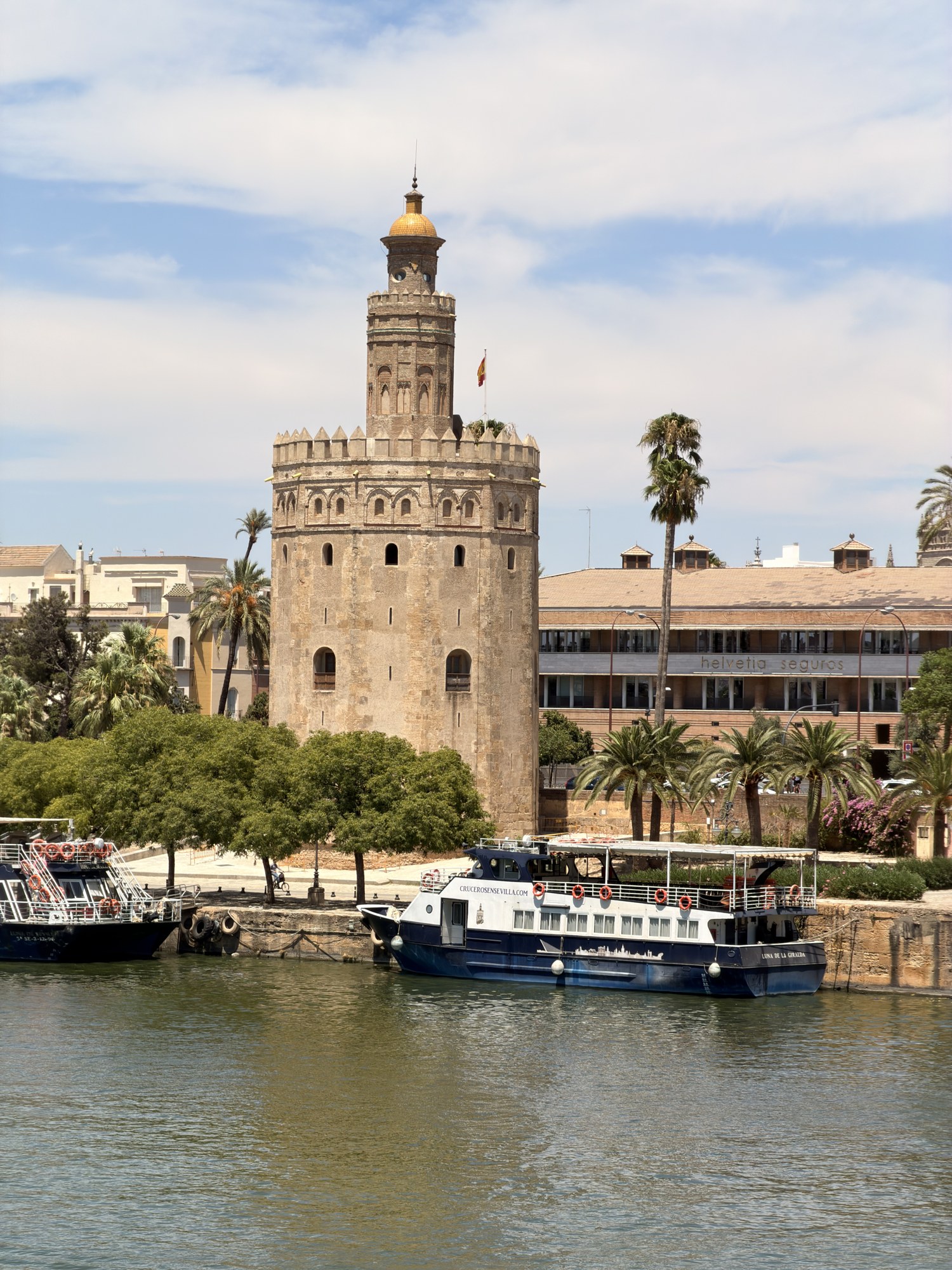
We walked it off across the river in Triana, the less-touristy district our guide pointed us to, with a cold drink at El Muelle de la Brasa on the boardwalk, then back to the pool. Dinner was Da Pino again — not the plan, just how it worked out, and no complaints.
Next: a flight to Valencia.
My Rating
⭐⭐⭐⭐⭐ 5/5
Highlights
- The food tour with Katrina: sherry and pringá, black-label Ibérico at Las Teresas, croquettes at Sal Gorda
- The Giralda climb and the view over Seville
- The Alfonso XIII itself: a palace hotel with real history
- The pivot: leaving a touristy legend (El Rinconcillo) for an excellent dinner at Al Lado
- Triana in the late afternoon, across the river
Good to know
- Seville in July hit 107 degrees. The pool is not a luxury; it is a strategy. Tour in the morning, swim in the afternoon
- The Giralda is ramps, not stairs, most of the way up: very doable, and the view is the best in the city
- A small-group food tour is the fastest way to learn Seville’s tapas grammar: sherry, pringá, Ibérico, croquettes
- Not every famous old bar earns its fame at the table. Have a pivot in mind